

NCTJ publishes AI newsroom research as diploma assessment evolves
The NCTJ has published new research into the use of artificial intelligence in UK newsrooms as it introduces changes to the Diploma in Journalism to reflect the growing use of AI in journalism.
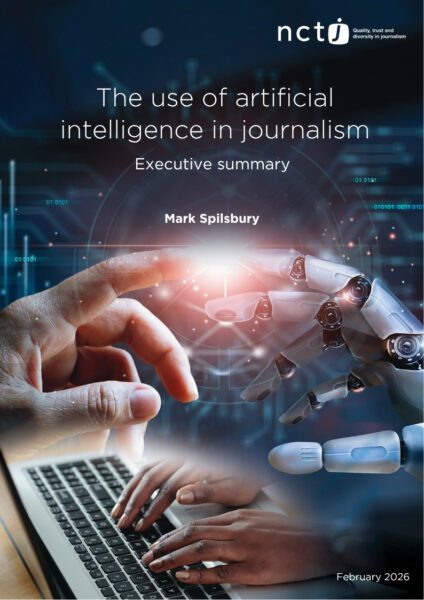 The qualitative research, based on discussions with 14 leading UK news organisations, found AI was being used by all those consulted, although the level and type of use varied considerably. While some newsrooms are already pushing ahead with AI across their operations, others are taking an approach of “cautious innovation” as they explore its potential and how it can best support journalism.
In response, the NCTJ is embedding AI literacy more widely across the Diploma in Journalism and its wider training provision, helping journalists understand how to use AI responsibly, ethically and effectively.
Rather than treating AI as a standalone subject, AI literacy is being integrated across existing areas of the diploma. The approach reflects the role of AI as a tool to complement core journalistic skills rather than replace them. Reporting, interviewing, verification, media law, ethics and editorial judgement remain the foundations of trusted journalism.
AI literacy will also be incorporated into Diploma in Journalism examinations and portfolio work. Learners will be expected to declare and reflect on their use of AI tools, reinforcing transparency and the importance of human editorial oversight.
The changes are informed by the NCTJ’s research and the work of its AI taskforce, which brings together experts from across the journalism industry to help ensure NCTJ training and qualifications continue to reflect changing newsroom practice.
Speaking at a recent NCTJ webinar for accredited course providers, Rob Lang, newsroom AI editor at Reuters and a member of the taskforce, said: “The real skill is actually in judging the output, not producing it. Anyone can get the answer, but it’s knowing when it’s wrong, when it’s thin, when it’s invented. And that’s journalism.”
The NCTJ is also supporting journalism educators through a wider programme of activity. This has included an AI symposium, delivered in partnership with the University of Sheffield, and a dedicated webinar for accredited course providers. Further practical resources and a train-the-trainer session will follow to help course providers embed AI literacy across their journalism programmes.
Joanne Forbes, chief executive of the NCTJ, said: “Journalism has always adapted to new technology, and AI is changing the way journalists work. What hasn’t changed are the fundamentals of good journalism – curiosity, accuracy, verification, strong reporting and editorial judgement.
“Our research shows both the opportunities AI offers and the challenges newsrooms are working through. It also reinforces something we feel strongly about: AI literacy needs to sit alongside the core skills of journalism, not replace them.
“We’ve been building AI into the diploma for some time, and these latest changes reflect the way AI is becoming part of everyday newsroom practice. We want journalists to understand what AI can do, where its limitations lie and how to use it responsibly and confidently, while maintaining the professional standards audiences expect.”
The executive summary, The use of artificial intelligence in journalism, is available on the NCTJ website.