Breaking in: My journey from outsider to law editor with the JDF
by Jess Glass
Growing up, becoming a journalist was something I had written off. Though it was something I desperately wanted to do, it struck me as something that you needed connections for, as well as the ‘right’ background – things I lacked. I tried freelancing but was woefully unsuccessful, and so I resigned myself to trying to find a new passion elsewhere.
 It was a work experience placement at an LGBT focused outlet, which I had applied for while searching for anything to get me out of my house for a few weeks that made me reconsider journalism as a possibility. I got the bug for news and rediscovered my passion, but I vitally needed training to turn it into a career (and also needed to stop putting full stops in my headlines).
The Journalism Diversity Fund gave me the resources to learn how to be a reporter, and encouraged me that there were places for people like me in the industry.
I started a fast track diploma in late 2018 and after many, many, many attempts at trying to pass my 100 wpm shorthand exam – I got there in the end – I finished my course and started working at a court reporting news agency. There I got to put my learned skills into action, running around crown and magistrates’ courts, learning the importance of trying to preserve open justice and thinking on my feet.
In August 2019, I started at PA as a general reporter, covering a general election and a pandemic – as well as quite a few court and royal stories and the odd spot of weather, but I later found my niche.
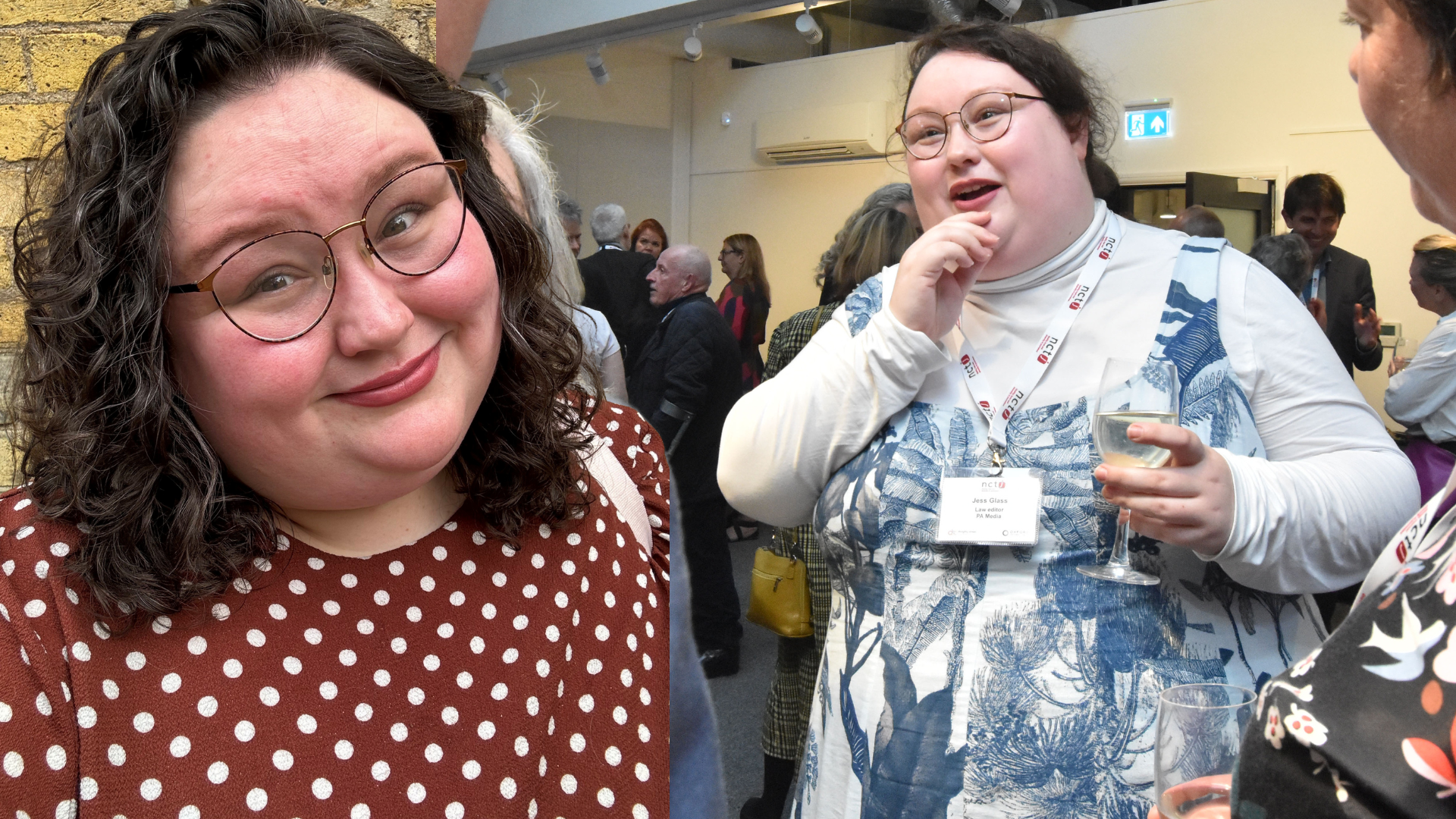
I joined PA’s High Court team in early 2021, covering the High Court, Court of Appeal and Supreme Court before becoming the agency’s law editor in late 2023. In these last few years, I’ve covered everything from the Wagatha Christie libel case and the Rwanda policy challenges, to the Duke of Sussex’s phone hacking claim and the unprecedented super injunction proceedings brought by the Ministry of Defence.
It’s hard to overstate how important the JDF was in providing the foundation for the rest of my career so far. Without its support, I wouldn’t have been able to fund the course that gave me the skills I needed to become a qualified journalist, and I wouldn’t have had some of the connections that have provided support and advice over the years of my career.
Having the backing of the JDF also helped me be, and remain, uncompromising about who I am and where I come from, as well as having the support of my colleagues. I hope to remain in the industry for the rest of my professional life, something I couldn’t have even contemplated a decade ago, or if I couldn’t be myself at work.
The best advice I’ve been given in my career came from a colleague early on in my work experience all those years ago, but it stands true: Be yourself and say ‘hi’ to people a lot.