Behind the by-line with Emily-Jane Heap
A Q&A with reporter and past JDF recipient Emily-Jane Heap.
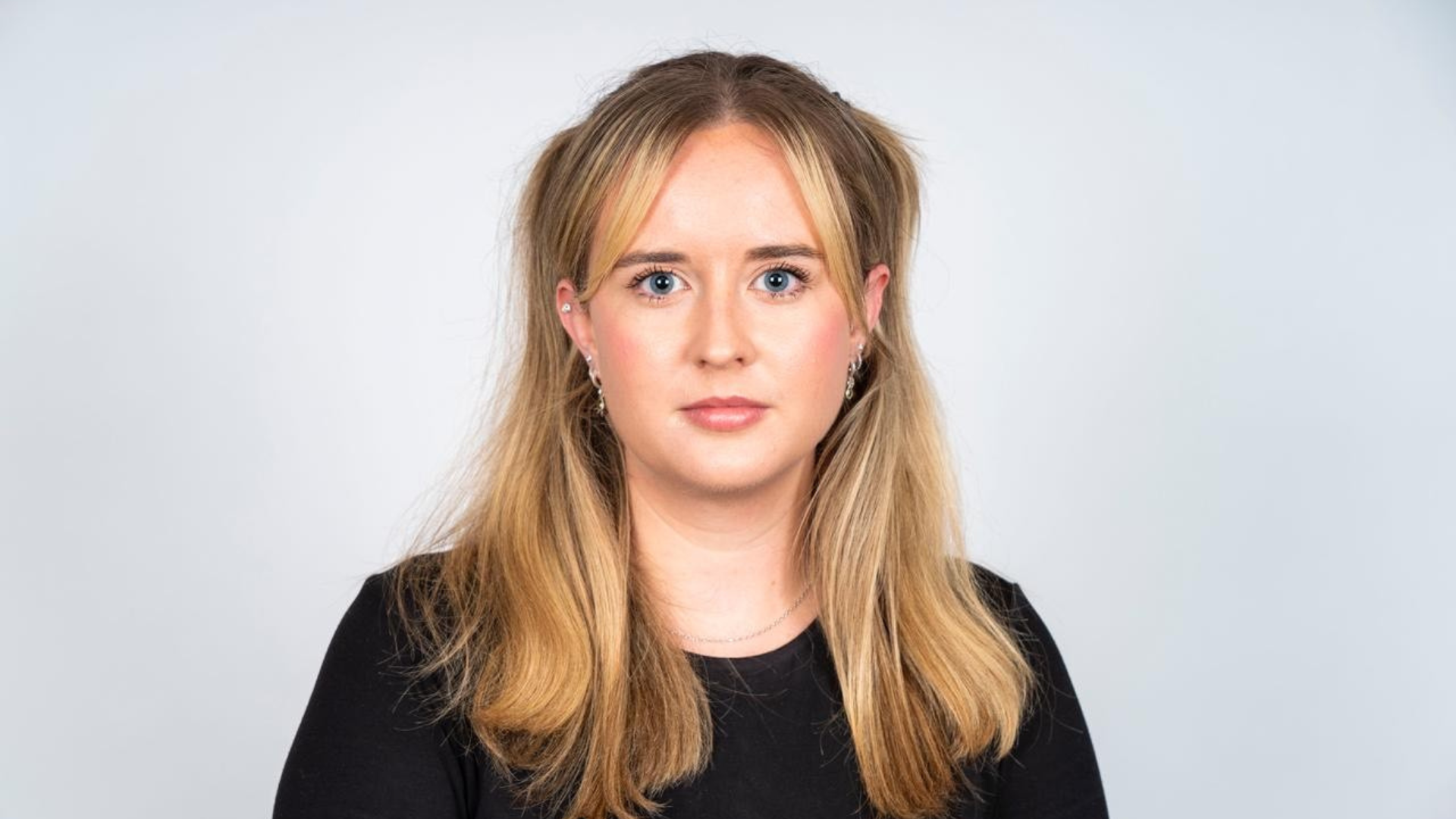
As part of the continued celebrations for 20 years of the Journalism Diversity Fund, we caught up with The Sun reporter, Emily-Jane Heap. Emily-Jane was a 2020 recipient of the JDF and completed her NCTJ Diploma in 2021.
Emily-Jane Heap
Can you tell me about your journey to your current role and what you do now?
I’ve known I wanted to pursue a career in journalism since I was a teenager, but it was when I became involved in student newspaper The Tab while studying for an English Literature degree at the University of Exeter that I got my first real taste of the job. I began pitching stories to publications including VICE while studying and secured a work placement at Devon Live.
After my degree, in 2021, I won a place at News Associates in Twickenham, where I achieved a Gold Standard NCTJ in Multimedia Journalism. During this course, I spent one day a week on a placement at Kent Live, which progressed into freelance shifts and then an offer of a full-time job. I spent a few months working for this local paper before being offered a job with Ferrari Press Agency in south London.
It was during my two years with the agency that I got a real hands-on experience of on-the-road journalism. I did weekend shifts at The Telegraph and The Sun alongside my full-time job, before being offered a news reporter role at The Sun in March 2024.
How did your experiences with the JDF influence or impact your career journey?
I knew that earning an NCTJ diploma was vital to achieving my goal of working for a national newspaper. But as someone from a lower-income family, being able to afford both the £5,000 fees for the News Associates course, plus the cost of commuting, seemed almost impossible.
A friend suggested I apply for the Journalism Diversity Fund and I was absolutely thrilled to be told that I had been awarded a bursary to cover my tuition fees. Without the JDF’s help, I’m not sure I would be in the position that I am today.
Can you share a memorable moment or lesson from the JDF mentor scheme during your training?
As well as the bursary, a key benefit of the JDF is the mentor scheme. Coincidentally, I was paired with a reporter at The Sun, who was incredibly helpful in supporting me to shape my CV, look for suitable roles, but most importantly encouraging me to believe in myself and my skills.
Looking back since your NCTJ qualification, what achievement or moment are you most proud of?
My biggest achievement in my career so far was achieving the gold award in the News & Investigations category of MHP Group’s 30 To Watch Journalism Awards earlier this year for my work on uncovering police blunders that allowed Nottingham killer Valdo Calocane free to kill three people, and for revealing that a senior Labour aide had flashed a 13-year-old girl.
Can you tell the story behind a piece of published work you’re especially proud of?
 The piece of work I am most proud of was exposing 11 deadly blunders made by Leicestershire Police which led Nottingham killer Valdo Calocane free to kill university students Barnaby Webber and Grace O’Malley-Kumar and school caretaker Ian Coates.
I revealed how officers were accused of failing to properly investigate Calocane’s attack on two work colleagues at a warehouse weeks before his June 2023 rampage and even earmarked the case for the bin the day before he fatally stabbed his victims. The Independent Office of Police Conduct reopened its probe into the officers following this story.
Based on your experiences, what advice would you offer to those considering a journalism career?
I would advise anyone wanting to pursue a career in journalism to embrace every opportunity they can get to gain experience – whether that be getting involved with a student newspaper, pitching stories to editors, or emailing local newspapers for work placements.
The more you can add to your CV and demonstrate your enthusiasm, the better your chances of securing a job in the industry. But it is also worth checking out fantastic opportunities like the Journalism Diversity Fund, which not only help you get a foot in the door if you’re struggling financially, but also connect you with experts in the industry who can share their knowledge and advice.
Click here to find out more about the Journalism Diversity Fund.