Student and trainee/apprentice categories
News journalism awards
These awards will go to the student and trainee/apprentice journalists who demonstrate all-around qualities in newsgathering and reporting. The judges will consider a number of elements including the work that went into getting the story, the number of sources used and audience interest.
Entrants should submit three reports (in any format) plus a supporting statement explaining the significance of each report (no more than 200 words in total for all three stories).
Sports journalism awards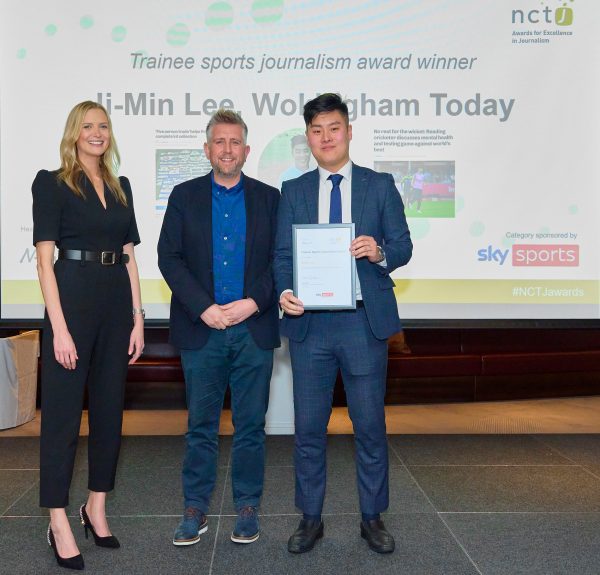
These awards will go to the student and trainee/apprentice journalists who demonstrate an all-round knowledge of sports journalism.
The winners will have delivered more than a standard after-match analysis from the team manager and will have shown a willingness to ask revealing questions and developed the story.
Entrants should submit three reports (in any format), along with a supporting statement explaining the significance of each report (no more than 200 words in total for all three reports). Ideally, one should be a backgrounder, feature or profile piece.
Top scoop awards
These awards will go to the single story, picture or video produced by a student and trainee/apprentice journalist which, in the opinion of the judges, is the scoop of the year.
Entrants should submit their chosen story/image/video plus a supporting statement explaining the work that went into landing the scoop and details of its significance (no more than 200 words).
Features awards
These awards will identify the best student and trainee/apprentice feature journalist. Judges will be looking for a feature or news backgrounder (not an over-written news story) that gets to the heart of an issue and is well written or produced.
Entrants should submit two features (written or broadcast) and a supporting statement of no more than 200 words explaining the significance of both.
Data journalism awards
These awards will recognise the skills in visualising data, reporting stories from data sets and Freedom of Information requests and developing human interest angles.
Entrants should submit one piece of data journalism and a supporting statement of no more than 200 words explaining the significance of the work.
Podcast journalism awards
These awards will identify the best student and trainee/apprentice journalism podcast. Judges will be looking for a podcast that gets to the heart of an issue and is well produced.
Entrants should submit one episode and a supporting statement of no more than 200 words explaining the significance of both.
The podcast can be submitted as a joint enterprise or project.
Videojournalism awards
These awards will go to the student and trainee/apprentice journalists who demonstrate all-round skills in videojournalism.
The judges will be looking for candidates who have exercised good editorial judgement, demonstrated technical skills and shown careful consideration for the intended platform and audience. The winning entries will demonstrate creativity, be engaging and make the most of the medium of video.
Entrants should submit one piece of videojournalism and a supporting statement of no more than 200 words explaining the significance of the work.